
The Penn Integrates Knowledge (PIK) program was designed with the idea that some of today’s toughest challenges can be solved at the edges.

Penn Integrates Knowledge
PIK Professors see possibilities over boundaries
Published: May 27, 2022
PIK Professors work along and across academic boundaries—conjoining traditionally separate fields to drive innovation. Often, these discoveries would not be possible through the lens of any single discipline. By merging the knowledge of psychology and communication, medicine and data science, and history and the law, never-before-imagined solutions and ideas come to life.
The following stories provide a closer look at the recent work of these pioneering scholars.

Precision Psychiatry in the Palm of Your Hand
Konrad Kording combines brain science and data science to help individualize care in the field of mental health. In a recent study, Kording found that the language we express in text messages can indicate the severity of depression.
Read more
Down the Rabbit Hole
Dolores Albarracín tackles the consequences of conspiracy theories and misinformation—along with its impact on public health and personal behaviors.
Read more
Chart Biopsy
As we seek to modify existing technologies and launch new systems to improve healthcare, Kevin Johnson’s area of expertise—biomedical informatics–can be a means for solving the problems of our past.
Read more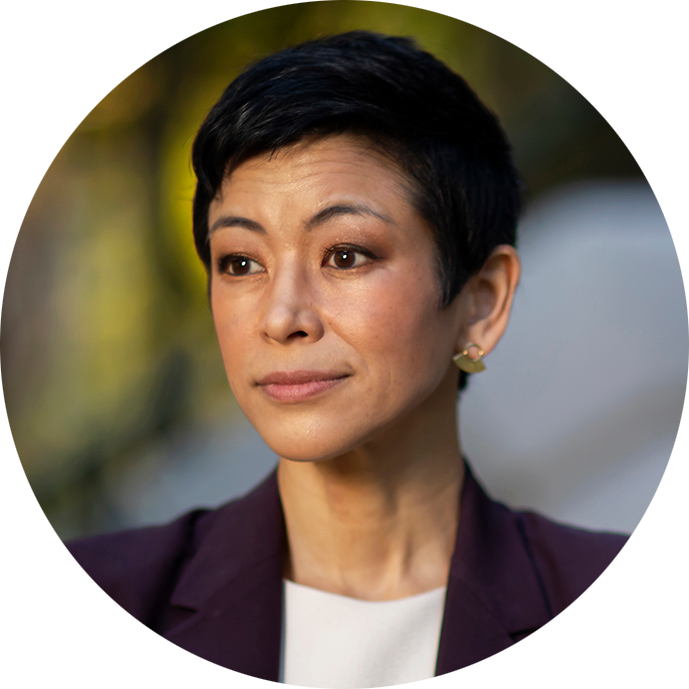
Changing the Frame
Karen Tani’s recent work around disability law brings a fresh take on inclusion. According to Tani, the application of legal history, legislation, and the law can improve social welfare and address inequities for many.
Read more


