

As a worldwide leader in medicine, Penn is revolutionizing the way life-threatening illnesses—from COVID-19 to cancer—are treated.
At the University of Pennsylvania Health System, a collaborative, collegial environment is fueled by philanthropy to pioneer new bench to bedside treatment options in an era that desperately needs effective solutions fast. Through The Power of Penn Campaign’s priority to speed the ImmunoRevolution, it’s notable that Penn is one of the few places worldwide that can translate a complex medical challenge into an FDA-approved therapy—from idea to proof of concept to a pilot clinical study to producing the therapy—on one campus.
Several of Penn Medicine’s most promising new treatments in immunotherapy were recently highlighted at the Homecoming at Home event, ImmunoRevolution: Rising Stars and Next Generation Therapies, which was moderated by Dr. Robert H. Vonderheide, DPhil, Director of the Abramson Cancer Center and the John H. Glick Abramson Cancer Center Professor. Dr. Drew Weissman, PhD, a Professor of Infectious Diseases at Penn Medicine, shared an update about an immunology advance that he made in 2005 with his former colleague Katalin Karikó, PhD which removed the inflammatory potential in the RNA molecule. Dr. Weissman’s patents and early results are now a cornerstone of two COVID-19 vaccines from Pfizer and Moderna that are reporting excellent results. “I can’t ever remember seeing 90% efficacy, it’s going to be a wonderful vaccine,” said Weissman. Beyond COVID-19, Weissman hopes that modified RNA vaccines will be used to treat many diseases, including a cancer application that he is working on right now. “Because modified RNA vaccines are simple, safe, and cost effective, there are possibilities for many new treatments,” he said.
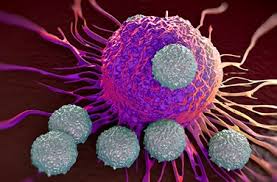
Penn’s cross-disciplinary nature allows doctors and researchers to learn from each other and share ground-breaking discoveries, like Weissman’s, to further patient care in specialty areas, such as transplant medicine. In 2017, CAR-T cell therapy became the first FDA-approved personalized gene therapy for cancer, which ushered in a new era of treating patients with their own immune systems. Dr. Ali Naji, PhD, the J. William White Professor of Surgical Research, has pioneered islet transplantation—taking insulin producing islet cells from a donor pancreas and transplanting them into a diabetic patient—to treat Type 1 Diabetes. Dr. Naji plans to move this procedure through FDA approval to “novel therapy status” so that this immunology advancement becomes part of the diabetic standard of care. While Penn has the best clinical outcomes in the nation, this treatment is not curative and Dr. Naji is collaborating with Dr. Carl June—the architect of CAR-T therapy—to eliminate rejection and sustain long-term control over the disease.
Dr. Amit Bar-Or, the Melissa and Paul Anderson President’s Distinguished Professor, is a neurologist and immunologist with transformational findings in multiple sclerosis patients. “I came to Penn to see what MS can teach us about other diseases, and vice versa,” he said. Dr. Bar-Or is using individual patient biology—or precision immunology—to study the way different immune cells (B cells, T cells, and myeloid cells) regulate one another, in health and across diseases.
By looking at biology with an open mind, our developments with B cells and their interactions have created a foundation for a series of discoveries that are remarkably exciting in understanding how people maintain their health.”
Dr. Amit Bar-Or, the Melissa and Paul Anderson President’s Distinguished Professor, Penn Medicine
Penn Medicine’s revolution in immunology relies on pilot funding, philanthropy, and talented people, like the other ImmunoRevolution panelists including Dr. Shannon Maude, PhD, Dr. Saar Gill, PhD, Katelyn Byrne, PhD, and Joseph Fraietta, PhD, to push the boundaries of what these unique therapies can accomplish. Through The Power of Penn priority to Revolutionize Health, these promising advances can make their way from the lab to real life in record time.


