RVCL (retinal vasculopathy with cerebral leukoencephalopathy) is a rare genetic disease that affects the body’s small blood vessels.

Fighting for a Cure
Visionary philanthropy is helping to find new treatments for autoimmune diseases
Spring 2025
It damages multiple organs including the brain, eyes, kidneys, liver, and bones, leading to vision loss and premature death in all cases, often within 10 years of the first onset of symptoms. There is currently no cure or treatment that targets the disease, and there are fewer than 200 known patients and 60 families with RVCL in the world. But hope is on the horizon.
How Philanthropy Is Fueling RVCL Research at Penn
New philanthropic support is enabling Penn’s RVCL Research Center to develop precision and personalized therapies for RVCL. The Clayco Foundation, led by Bob and Shawn Clark and their family, has made a $4.2 million commitment to the Center, continuing their philanthropic efforts toward finding a cure for the disease. Bob Clark’s late wife, Ellen Clark, passed away from RVCL, and he and his family hope to help others around the world who suffer from the disease. This builds on prior commitments from the Clayco Foundation as well as hundreds of small donations from families and friends, totaling over $7.9 million dollars for this research program, leading to the development of custom therapies.
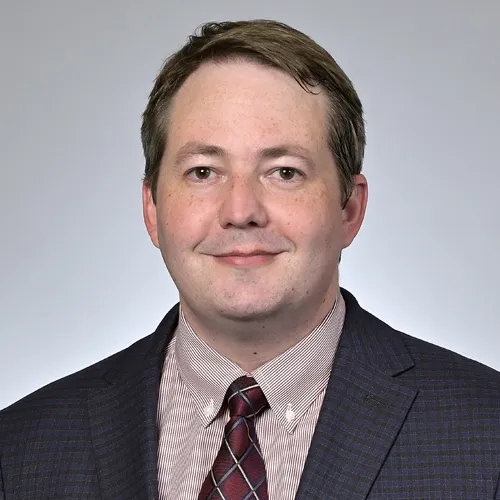 Jonathan J. Miner (pictured) is Director of the RVCL Research Center and Associate Professor of Medicine at the Perelman School of Medicine. His lab discovered how mutations in the TREX1 gene cause this disease and has since been developing and testing personalized medicines for RVCL. He is optimistic that a clinical trial for a custom therapy is on the near horizon.
 Jonathan J. Miner (pictured) is Director of the
 “Our work on the role of TREX1 in RVCL has also taught us how TREX1 plays a role in more common human conditions, including cancer, autoimmune diseases, and aging,” Miner says.
Two sisters, Laura Friedman and Fran Jaskot, have also dedicated their philanthropic efforts to supporting Dr. Miner and his team by raising awareness and bolstering research on the disease. For the past two years, their friend Renee Butler has led a 50-mile run/walk in support of finding a cure for RVCL. Last year, they raised over $75,000, and, vitally, their run has brought in dozens of new donors who are committed to the RVCL Research Center.
“When I first met Laura, I was not only inspired by her story, but by her positivity. As an avid runner, I decided to create this event as a way to fundraise and create awareness for RVCL,” says Butler.
Broadening the Impact: Autoimmune Disease Innovation at Penn
This is a critical time at Penn for rheumatology, the branch of medicine that specializes in diseases like RVCL that affect immunity, the musculoskeletal system, and blood vessels—and many of these diseases are autoimmune disorders. The Colton Center for Autoimmunity, established in 2021 with a generous gift of $60 million from Stewart and Judy Colton, represents a significant institutional investment in unlocking the many mysteries and puzzles of autoimmunity; by uniting the best scientific minds in autoimmune research, including rheumatologists, the Colton Center is also energizing Penn Rheumatology and the division’s passionate supporters.
And the Relapsing Polychondritis Foundation recently expanded its commitment to the Penn Relapsing Polychondritis Program by making an additional investment of $305,000 to expand RP-focused research and clinician training. Penn Medicine is one of few academic medical centers in the world conducting research on RP, which causes inflammation of the cartilage throughout the body.
Thanks to new discoveries and the power of philanthropy, Penn faculty members have a greater understanding of autoimmunity and are able to do more than ever to treat autoimmune diseases.
Discoveries at Penn Rheumatology are being translated into new hope for autoimmune diseases. To help accelerate their breakthroughs, contact Amanda Hills at (215) 360-7928 or amhills@upenn.edu.