
As data science and medical technologies evolve, possibilities abound for blending their applications to diagnose ailments more quickly and reliably than ever.

How Data Can Save Your Life
The Duran Center for Data-Driven Diagnostics will propel the search for health care solutions at Penn Engineering
Published: November 1, 2021
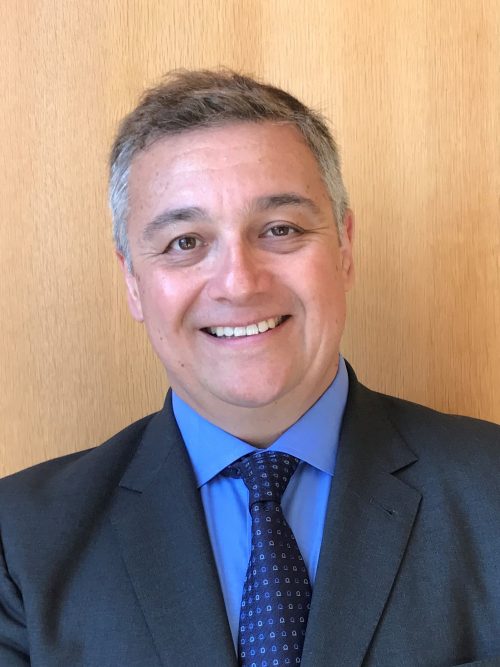
Thanks to a pivotal commitment from University Trustee Alberto Duran, WG’93, Penn is creating a home for scientists, engineers, and medical researchers to explore new frontiers at the intersection of data science and health care.
The Duran Center for Data-Driven Medical Diagnostics will be housed in Penn Engineering’s forthcoming Data Science Building, which will be named Amy Gutmann Hall. The Center will include training areas where medical researchers learn about the latest tools and techniques in data science, while engineering scholars are educated in the theory and practice of medical diagnostics.
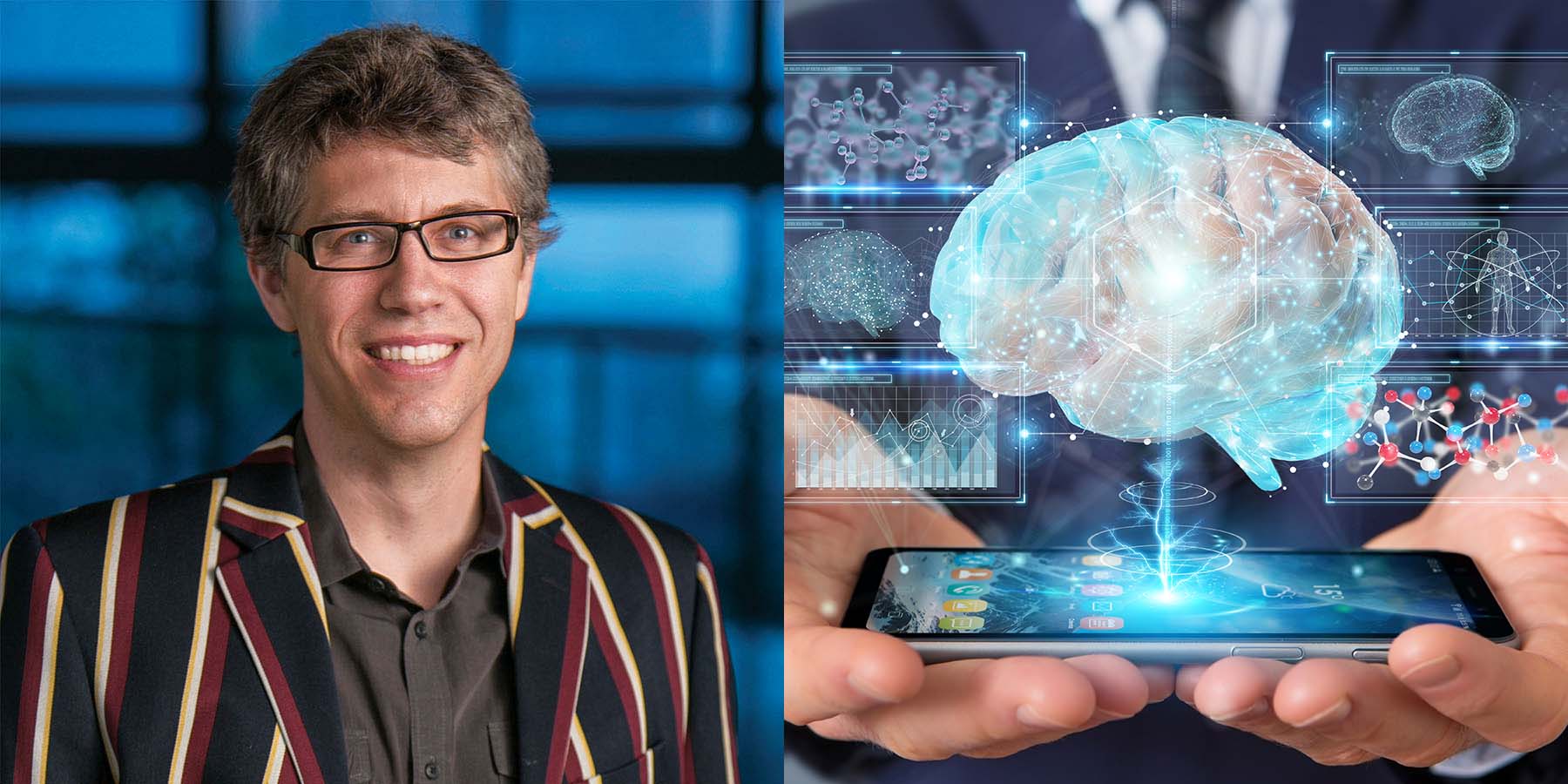
Konrad Kording, a Penn Integrates Knowledge University professor with appointments at Penn Engineering and the Perelman School of Medicine, works on mobile phone–based diagnostics of depression and ways of using data to analyze the performance of radiologists. “Making sense of data is possibly the biggest problem in neuroscience and beyond,” says Kording. “Having the Duran Center in the new Amy Gutmann Hall will be essential to bridging actual medical research with computer science to yield better clarity and better health care solutions.”
“Innovations in medicine are increasingly coming from advances in the ways we collect data from the human body, including smart watches and medical imaging,” says David Issadore, Associate Professor of Bioengineering at Penn Engineering. “Perhaps most exciting is the opportunity to help doctors and patients identify diseases at a very early stage,” Issadore says.
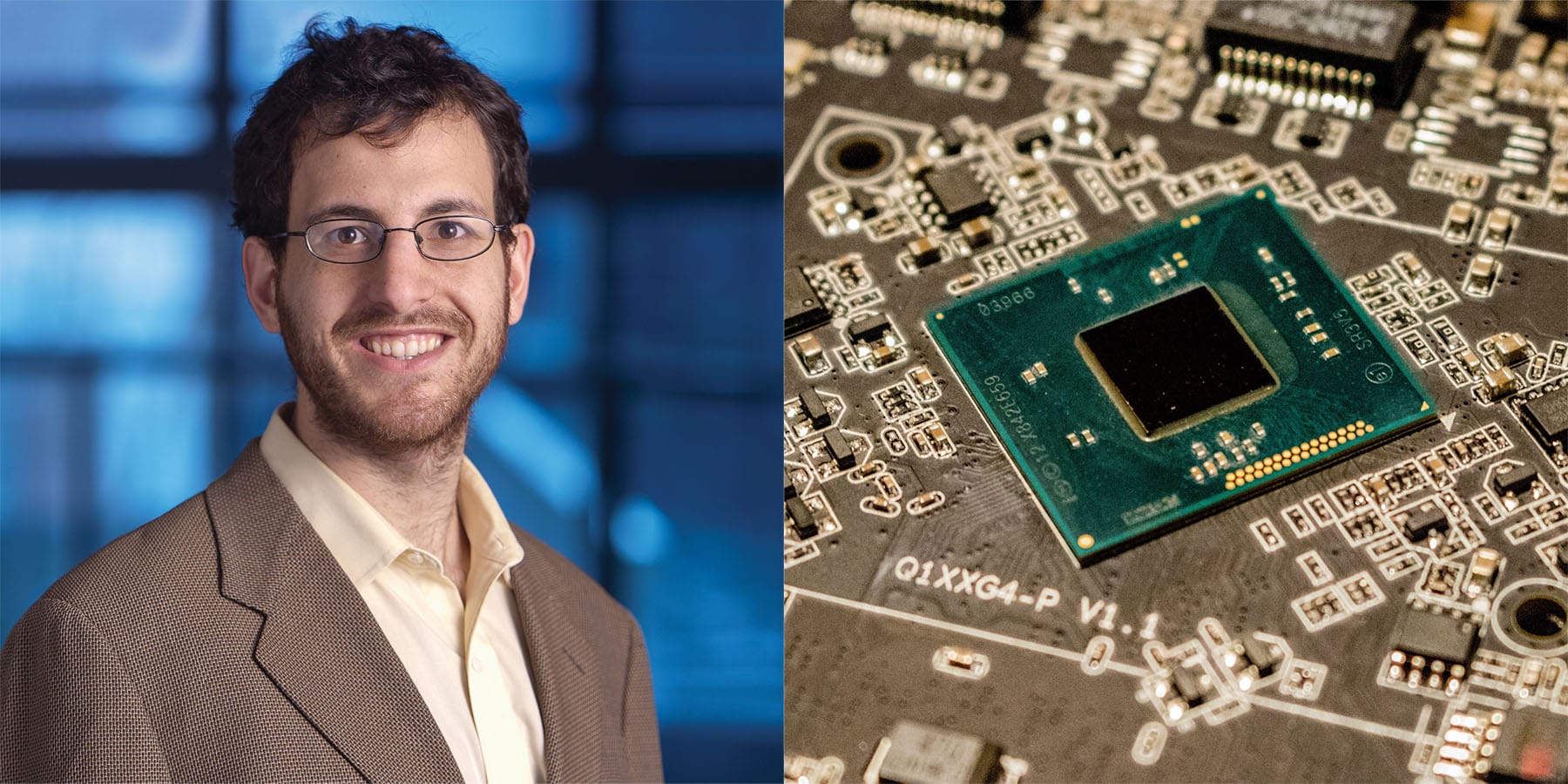
David Issadore’s team has developed microchips that can identify biomarkers of ailments in the body in a matter of minutes, as compared to traditional methods that can take days. Their work can revolutionize the successful treatment or management of cancers or traumatic brain injuries.
“The Duran Center for Data Driven Medical Diagnostics will be a hub for the incredible talent Penn has in engineering, the biomedical sciences, and medicine and serve as a catalyst to bring Penn’s enormous strengths fully to bear to tackle the big challenges in human health for years to come,” says Issadore.
Duran, who also serves on the Penn Europe, Middle East, and Africa Leadership Committee, was inspired by attending talks in London by Perelman School of Medicine professors Frances Jensen and Robert Vonderheide, who discussed how partnerships between Penn Medicine and Penn Engineering have sparked innovations in neuroscience and radiology.
“The more I heard about how faculty across the University are collaborating to create health care solutions, the more excited I became to be a part of it,” says Duran, who has also established an undergraduate scholarship and a President’s Distinguished Professorship at the University. “We see the Duran Center as a place where partnerships can be formed, knowledge can be elevated, and research can be translated into lifesaving technology. I consider it an honor, and a personal duty, to help further this bold and beneficial work.”
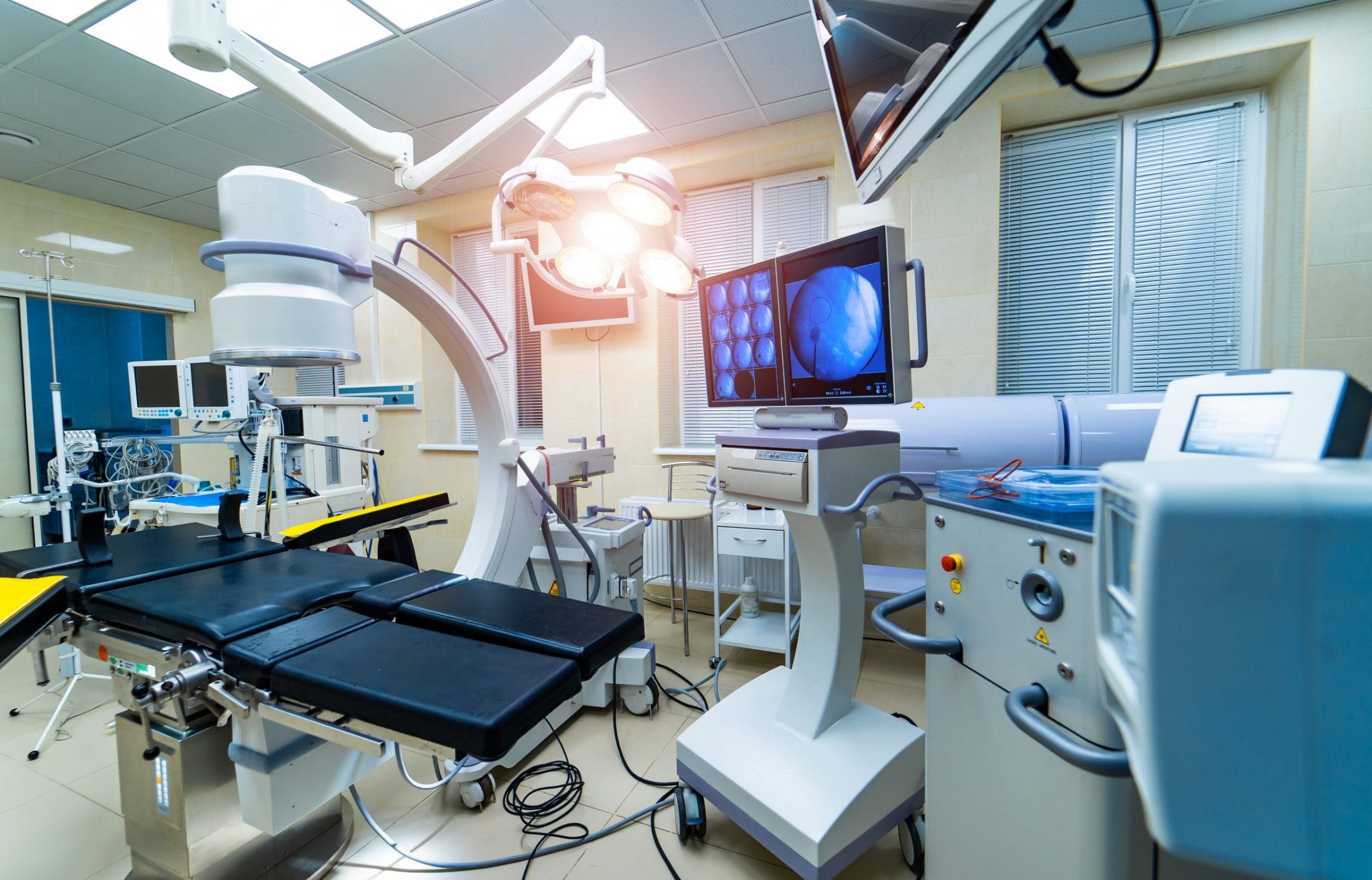
Artificial intelligence can analyze hundreds of thousands of images much faster than can be done by the human eye alone, enabling rapid diagnoses or interpretations of test results.
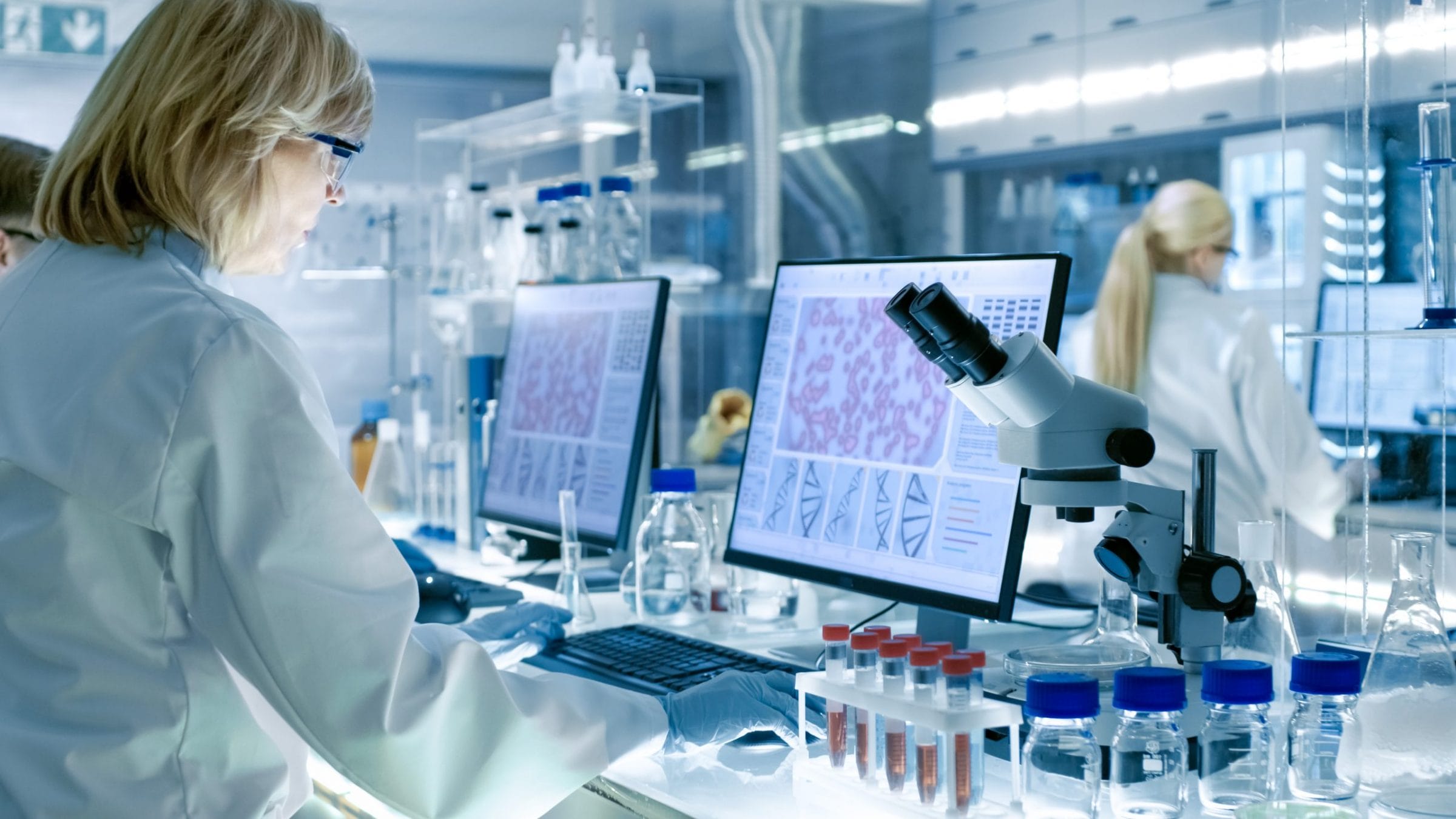
In addition to radiology and neuroscience, other fields that can be impacted by work at the Duran Center include pathology and immunology, where large-scale analyses can uncover exciting pathways to groundbreaking therapeutics or diagnostic tools.
Vijay Kumar, the Nemirovsky Family Dean at Penn Engineering, shares Duran’s vision and excitement. “New technologies and systems that bridge and advance both engineering and the health sciences will continue to grow in number and impact over the coming decade, empowering both patients and clinicians with the promise of personalized care,” says Kumar. “Alberto Duran’s transformational support creates a new venue for multidisciplinary teams of engineers, computer scientists, radiologists, and pathologists to collaborate and imagine.”
At the core of Penn Engineering’s mission is integrating knowledge and translating research into solutions that improve people’s lives. The Duran Center for Data-Driven Medical Diagnostics will harness Penn’s vast wealth of technical and biomedical knowledge to accelerate research that leads to breakthrough health care.”Vijay Kumar, Nemirovsky Family Dean, Penn Engineering
The computational revolution in medicine is at hand, and Penn Engineering is uniquely positioned to lead the way. Penn Engineering scholars can access Penn Medicine’s vast warehouse of approved clinical data for research at the Duran Center and work with centers that are already harnessing the power of data for enhancing health care.
“Data science has the potential to advance our understanding of health conditions in a faster and more precise manner than we were able to in prior years,” says Raina Merchant, Director of the Penn Medicine Center for Digital Health. “Through emerging partnerships that can be born at the Duran Center, new insights from data can be evaluated and integrated to enable more patient-centered and personalized care.”
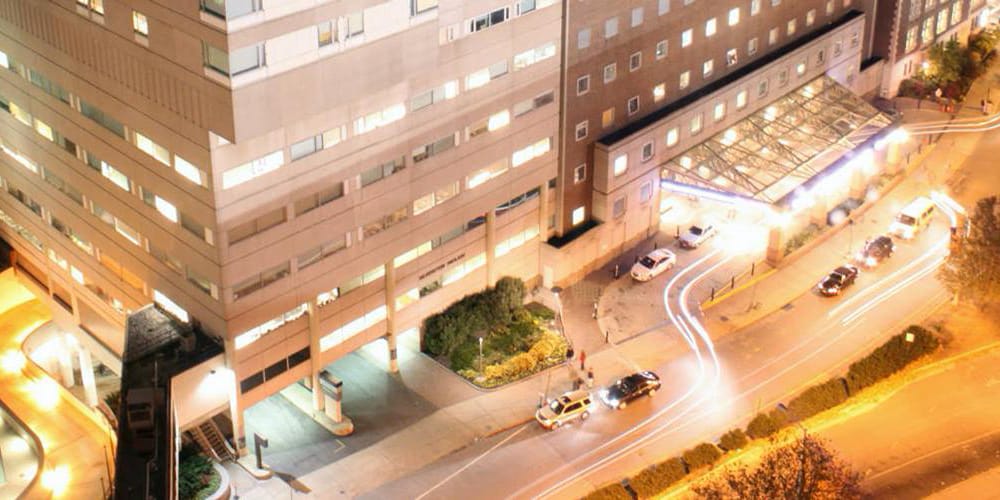
Penn Medicine’s Center for Health Care Innovation is a natural partner for Penn Engineering, and the Duran Center for Data-Driven Medical Diagnostics will help to increase the impact that this interdisciplinary research can have across society.
“The biggest challenge of health care innovation is scale,” says David Asch, Director of the Center for Health Care Innovation. “The opportunities that will emerge from expanding the application of data science in medical research, in the collaborative environment cultivated by the Duran Center, is the 21st-century equivalent to putting fluoride in the water supply.”
By elevating the use of data science for health care and facilitating collaborations with Penn Medicine, the Duran Center will fuel the next generation of medical marvels.


