
With nearly a fifth of the world’s population within its borders and over 30 million persons of Indian origin across the globe, India’s influence on the global stage continues to evolve. “It is a fascinating experiment in democracy,” says Apurva Bamezai, C’24. “India’s long history, as well as its many geographies, ethnicities, religions, and castes, make it a great place to study political systems and behavior.”
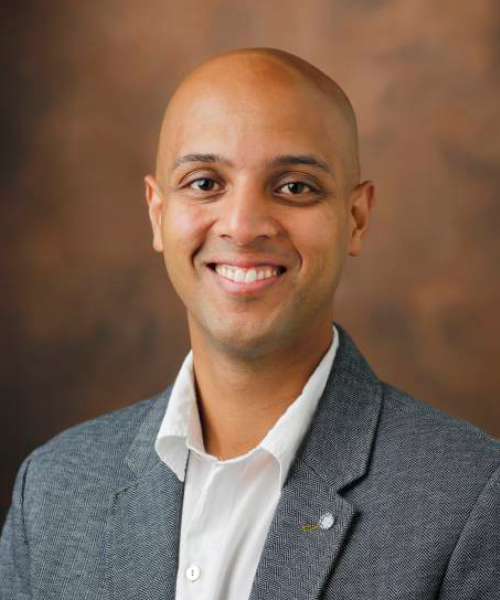
After growing up in New Delhi, Bamezai pursued a master’s degree at the University of Cambridge. She worked in public policy research for seven years before starting her Ph.D. in political science at Penn Arts & Sciences, where she applied for and received the Sobti Family Fellowship through the Center for the Advanced Study of India (CASI). With this support, she is researching the influence of identity on the delivery of public services in India under the tutelage of Director Tariq Thachil. “CASI provides a space to convene interdisciplinary conversations around contemporary India that might not otherwise happen,” Thachil says.
Founded in 1992, CASI has advanced insightful research and scholarship on wide-ranging issues such as economic development, clean energy production, social welfare, and election security. Undergraduate students can find an array of research, internship, and study abroad opportunities at CASI, while graduate students like the Sobti Fellows pursue research that can inform policymaking in India or facilitate global diplomacy. CASI provides a hub where scholars at Penn and in India can convene for enlightening discussions about the country’s traditions, aspirations, challenges, and opportunities.
“The only way to be a globally engaged university is through local engagement that is thoughtful, carefully built, and symbiotic,” says Thachil, who joined CASI in July. “CASI is a model for building such engagement through collaborative, policy-relevant research and programming with scholars, students, and policymakers in India.”

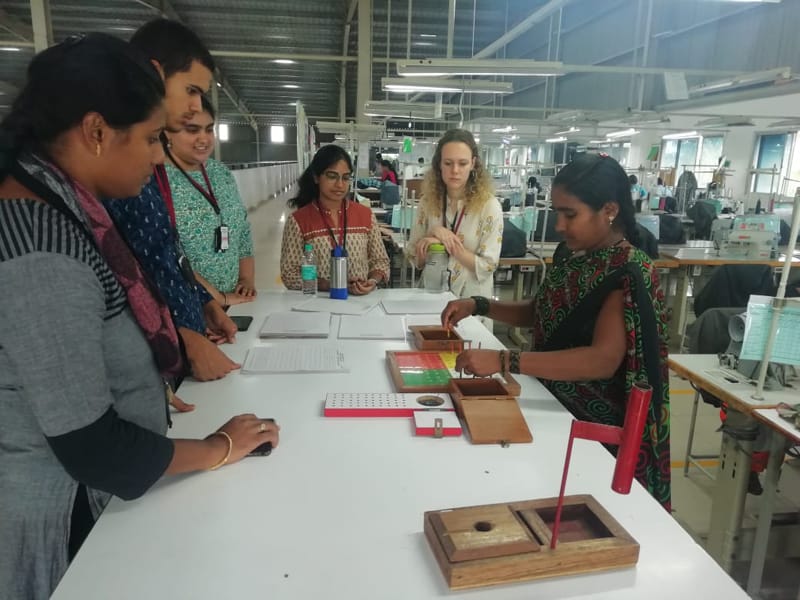
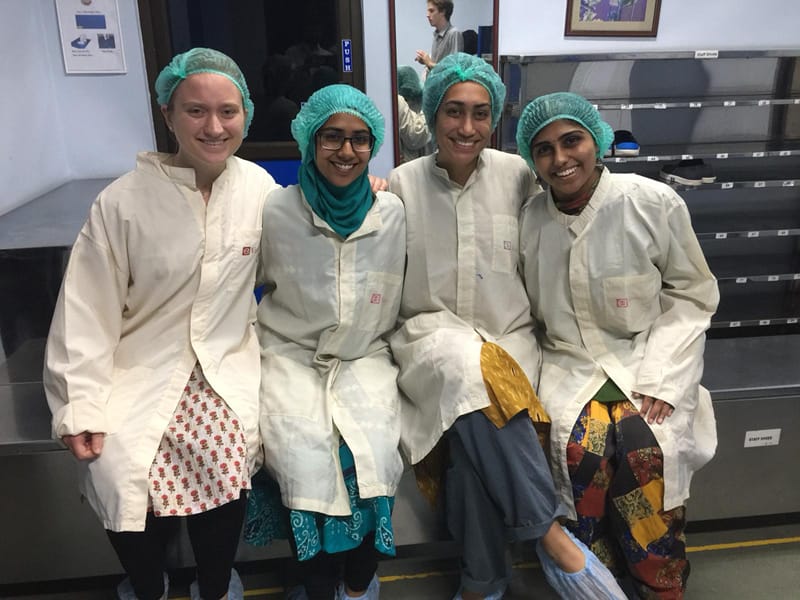
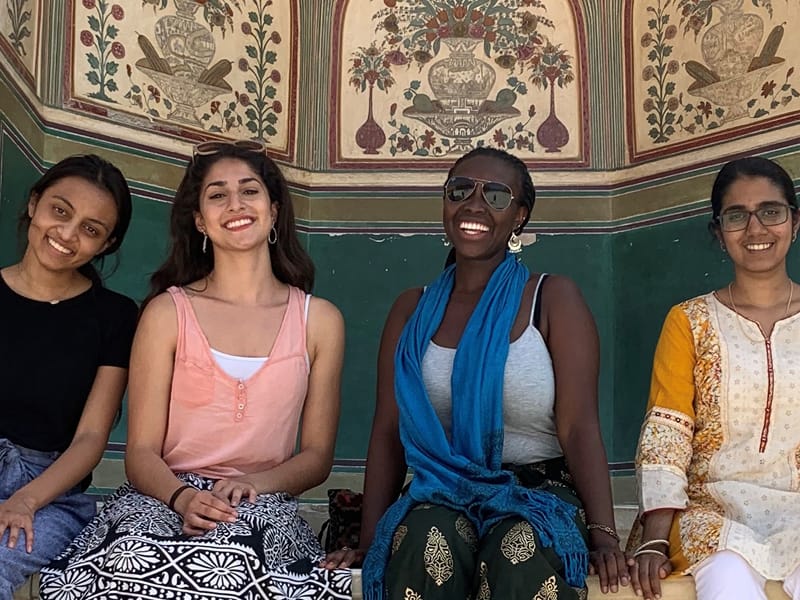
Thachil, who holds the Madan Lal Sobti Chair for the Study of Contemporary India, is an award-winning author and academic whose current research focuses on the political consequences of rapid urbanization and internal migration in India. Now, he is excited to help new generations of scholars advance their research and contribute to a better understanding of the challenges and opportunities facing India, its citizens, and its emigrants.
“As graduate students at Penn, we benefited greatly from the vast resources at Penn and the opportunity to engage in impactful scholarship. Our passion for supporting Sobti Fellows arises from our deep respect for the key role graduate students play in enhancing CASI’s core mission through their excellent research contributions.”Rajiv Sobti, GR’84, PAR’08, PAR’12, and Sanjiv Sobti, WG’85, GR’86, PAR’10, PAR’20
Although the spread of COVID-19 made in-person activities impossible, Sobti Fellow Sumitra Badrinathan, C’21, was able to explore an emergent research interest during the pandemic. “I became interested in how to curb health misinformation and dangerous, prejudicial conspiracy theories related to COVID-19 in India,” Badrinathan says. “Using support from the Fellowship, I ran an online experiment with 1,500 Indian adults aimed at mitigating the effects of these misinformed beliefs.”
On campus, Thachil has also found ways to evolve, adapt, and even improve on CASI’s mission of sharing knowledge. “By shifting our weekly seminars to a virtual format, we have tripled our average attendance, with regular participation from scholars and students across the United States, India, and Europe,” Thachil says. CASI is also expanding its online offerings and adding two new language editions—Bengali and Tamil—of its signature online publication, India in Transition.
Raising support for academic centers like CASI is a top priority of The Power of Penn Arts & Sciences Campaign. Philanthropy for student aid, research activities, and endowed support is key to advancing critical studies of ongoing social change in India as well as the country’s growing influence on global affairs.
Support the Center for the Advanced Study of India