
In Pennsylvania, native plants, trees, and shrubs range from the Mountain Laurel—the state flower—to the American Chestnut, the Black-Eyed Susan, the Early Goldenrod, and many other species both common and rare.

Digging into Native Plant Research
Support for research at the Morris Arboretum & Gardens aims to advance our understanding of native plants
Published: August 9, 2024
These native plants are essential to the health and stability of our ecosystem, which in turn contributes to cleaner air and water, healthier soil, climate regulation, and a welcoming habitat for wildlife, including pollinators like bees and hummingbirds.
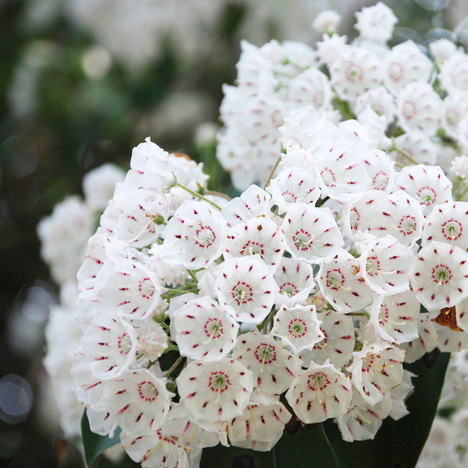
Mountain Laurel (pictured) is native to Pennsylvania. The Morris Arboretum & Gardens has been a hub for native plant research for nearly a century.
Timothy Block, PhD, the John J. Willaman Chair of Botany and Director of Plant Science at the Morris Arboretum & Gardens, has devoted his career as a botanist to studying native plants, overseeing a team that records any changes over time. “We don’t take a breath that isn’t supported by native plants,” says Block.
Despite their importance, many native species remain a mystery. “Pennsylvania is home to 55 species of native orchids,” says Block. “Unfortunately, many of them are critically imperiled and poorly understood biologically.” While people may rally to save endangered mammals like the once-scarce giant panda, Block says the same excitement doesn’t always translate to the plant world.
Jan Albaum, FA’84, GFA’87, understands the critical nature of native plants and shares Block’s enthusiasm for unlocking their mysteries. She and her husband, Harry Cerino, recently established the Jan Albaum and Harry Cerino Endowment for Native Plant Research in memory of Jan’s father, Martin Albaum.
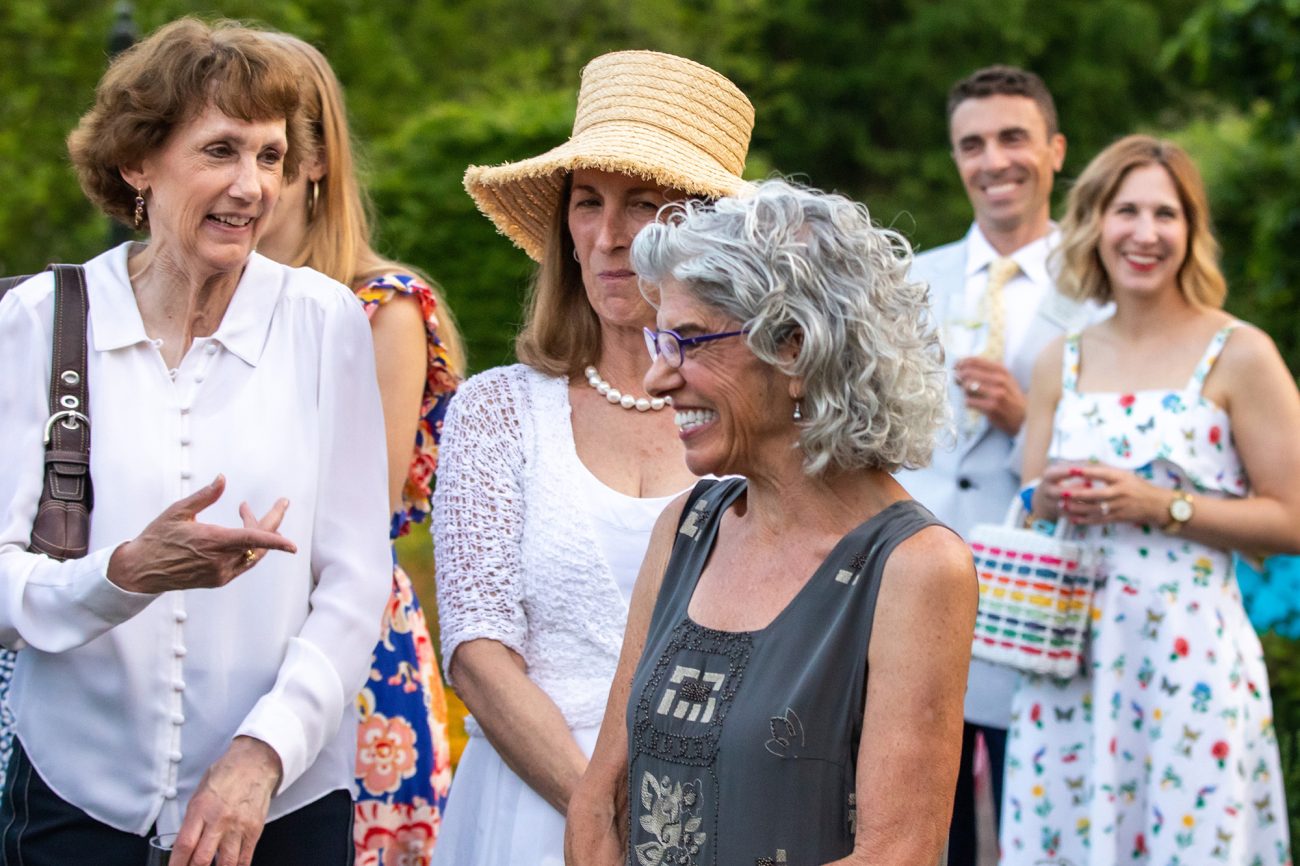
“The idea of investigating which plants do well in Pennsylvania as the climate changes really resonated with me,” says Albaum, who is a member of the Morris Arboretum & Garden’s Board of Advisors. In addition to the gift from Albaum and Cerino, the Morris is expanding its focus on native plants in other ways. They are set to break ground on a new plant science lab—a fundraising priority—in the fall of 2024, which will focus on regionally rare plant species and forest health. “The Morris has long been a leader in botanical science and this new molecular lab will take our scholarship to even greater heights,” says William Cullina, the F. Otto Haas Executive Director. “The lab will allow our researchers to conduct DNA and RNA extraction, going beneath the surface of what botanists see in the field to sequence their genetic code.”

The new lab, combined with philanthropic support from Albaum and Cerino, will enable Block and his team to gain a deeper understanding of how native plants and climate change are intertwined. “Research doesn’t pay for itself, which is why people like Jan and Harry are so important to us,” says Block. “As botanists, we fight an uphill battle to find people who are concerned about what’s happening to plant communities over time. If plants disappear, we’re in big trouble.”




