For centuries, Jewish communities in the United States have made indelible contributions to the character of American life. A series of gifts from Arnold and Deanne Kaplan, totaling $12 million, have helped shape the University of Pennsylvania Libraries as a leader in preserving this history and sharing it with the world.
The Kaplans’ donations to the Penn Libraries, given over the past decade, include an impressive collection of Americana and Early American Judaica—as well as funding to create an endowed staff position for Judaica digital humanities, research fellowships, and an endowment for continuing acquisitions.

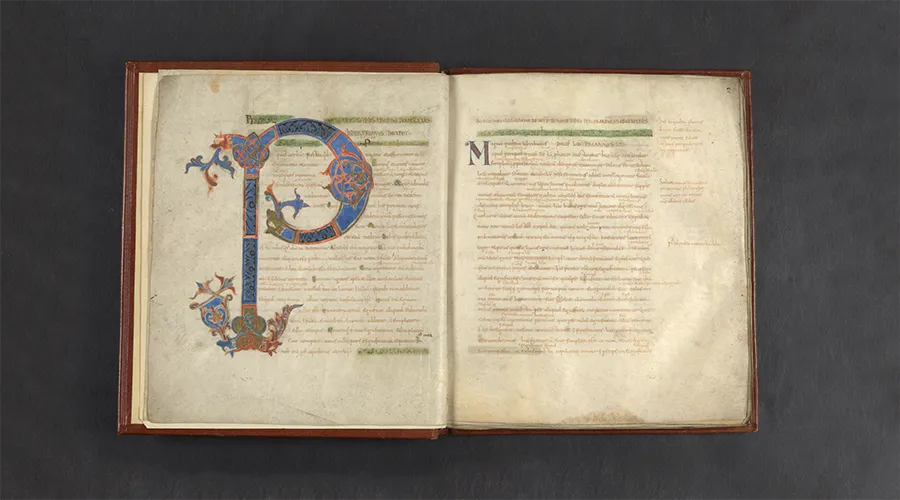
The couple’s most recent gifts coincide with the release of a new website, The Arnold and Deanne Kaplan Collection of Early American Judaica, offering free digital access to copies of nearly 7,000 items from the physical collection. Digital copies of all future items will be made available as well.
The Kaplans’ forward-thinking gifts continue an extraordinary tradition of philanthropy. Their generosity will ensure long-lasting access to a world-class collection. We are proud to be home to a collection that speaks to the history and values of freedom and opportunity and the great tradition of pluralism in Philadelphia and at the University of Pennsylvania.”Constantia Constantinou, H. Carton Rogers III Vice Provost and Director of the Penn Libraries
The collaboration between the Kaplans and the Penn Libraries began more than a decade ago with the Jesselson-Kaplan American Genizah Project, which enabled digital access to the Kaplans’ important private collection of letters of the mid-nineteenth-century rabbi Isaac Leeser. In November 2012, the Kaplans built on their relationship with the Penn Libraries with their donation of the Arnold and Deanne Kaplan Collection of Early American Judaica—considered the most important private collection of its kind.

Since that time, the Kaplans have made numerous additions to the collection. Now largely available online, the collection documents a broad range of commercial, social, religious, political, and cultural ties that connected Jews and the general public from the early colonial era through the onset of mass migration at the end of the 19th century.
“When we began to give serious thought as to where to place the collection, we sought out an institution with world-class archival qualifications that would make the material readily available for scholarship,” said Arnold Kaplan. “The Penn Libraries was the obvious choice.”
The collection reveals four centuries of history, not only from the perspective of American Jewish citizens, but also in the context of the larger communities in which they lived and traveled across the Atlantic. Notable items include a bound file of documents, dating back to 1597, that follows the arrest and trial of Goncalo Perez Ferro by the Mexican Inquisition for a “relapse” into Judaism; and a handwritten receipt by Solomon Levy, confirming payment from Martha Washington for a shipment of cotton—the only known document demonstrating trade between a Jewish merchant and the first family.
By providing additional funding for staff to process and digitize the collection at a granular level, the Kaplans are ensuring that the Judaica collection will be accessible beyond the four walls of the Libraries. Digitizing the collection requires that each item is meticulously reviewed, described in detail in writing, and photographed for online display.
In coming years, items from the Kaplan Collection will be added to Colenda, the Penn Libraries’ repository for long-term digital preservation, built on a foundation of tools that prioritize the health and integrity of stored digital assets. Newly donated items will also be selected for acquisition, and funding will allow scholars to use the collection to further their research efforts.
Together, the thousands of items in the Kaplan Collection represent an irreplaceable body of knowledge of American Jewish life and culture. In making the Kaplan Collection and others globally accessible, the Penn Libraries is creating opportunities for advancing knowledge across disciplines—a key priority of The Power of Penn Campaign.